That does not make the 4NE-1 Mini a normal household purchase. It does make it one of the more interesting humanoid preorders in the database: roughly the same height as the Unitree G1, much cheaper than NEURA’s full-size 4NE-1, and priced close enough to 1X NEO that early adopters will compare them whether the companies want that comparison or not.

Here is the useful way to read the announcement: the 4NE-1 Mini is less “robot butler for the kitchen” and more “developer-grade compact humanoid that might become a home platform later.” That is still a big deal. It just changes what buyers should ask before putting down the €100 reservation fee.
What NEURA is actually selling
NEURA’s official reservation table splits the 4NE-1 Mini into two versions:
Feature
Estimated price
- 4NE-1 Mini Standard
- €19,999
- 4NE-1 Mini Pro
- €29,999
Feature
Reservation fee
- 4NE-1 Mini Standard
- €100
- 4NE-1 Mini Pro
- €100
Feature
Main use cases
- 4NE-1 Mini Standard
- Education, basic voice interaction, entertainment
- 4NE-1 Mini Pro
- Education, interaction, research, manipulation
Feature
Dexterous hands
- 4NE-1 Mini Standard
- Not included
- 4NE-1 Mini Pro
- 12-DOF dexterous hands
Feature
Interfaces
- 4NE-1 Mini Standard
- Wi-Fi 6, Ethernet, Python SDK, ROS 2, NEURA Sync
- 4NE-1 Mini Pro
- Same, plus C++ SDK
Feature
Extra developer tools
- 4NE-1 Mini Standard
- —
- 4NE-1 Mini Pro
- Digital twin access, teleoperation, Neura Gym training readiness
| Feature | 4NE-1 Mini Standard | 4NE-1 Mini Pro |
|---|---|---|
| Estimated price | €19,999 | €29,999 |
| Reservation fee | €100 | €100 |
| Main use cases | Education, basic voice interaction, entertainment | Education, interaction, research, manipulation |
| Dexterous hands | Not included | 12-DOF dexterous hands |
| Interfaces | Wi-Fi 6, Ethernet, Python SDK, ROS 2, NEURA Sync | Same, plus C++ SDK |
| Extra developer tools | — | Digital twin access, teleoperation, Neura Gym training readiness |
That table matters more than the launch language. The Standard model is the headline €19,999 robot, but the Pro model is the one that looks closer to a serious manipulation platform. If your goal is to study humanoid behavior, voice interaction, navigation, or classroom programming, Standard may be enough. If your goal is to test grasping, object handling, teleoperation, or home-task prototypes, the Pro tier is the real comparison point.
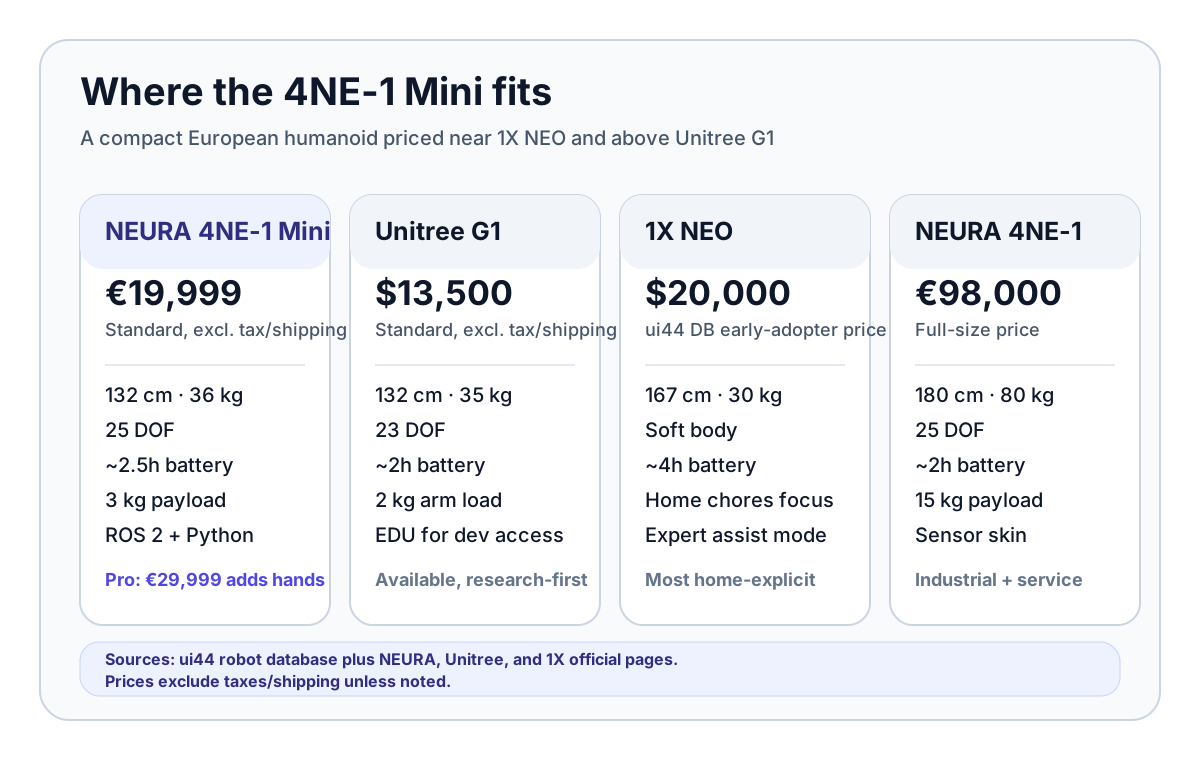
The ui44 database tracks the 4NE-1 Mini at 132 cm tall, 36 kg, 25 degrees of freedom, about 2.5 hours of battery life, and a 3 kg payload. NEURA positions it as a compact sibling of the full-size 4NE-1, using the same broader cognitive AI platform and Neuraverse fleet-learning story in a smaller body.
NEURA’s own 4NE-1 product page says the Mini brings “full cognitive capabilities” into a smaller, more accessible form for research, education, and entertainment. Its reservation page is more concrete: it names the price tiers, interfaces, reservation fee, and Pro-only additions.
The distinction is important because “humanoid preorder” can mean very different things in 2026. Some companies are selling a consumer service. Some are selling a research platform. Some are selling a spot in line while the hardware and software are still moving. The 4NE-1 Mini sits in the middle: more accessible than industrial humanoids, but not yet proven as a self-sufficient home helper.
The real comparison is not only 1X NEO
The obvious marketing comparison is 1X NEO because NEO is explicitly pitched as a home robot. But the closer hardware comparison is the Unitree G1.
The Unitree G1 starts at $13,500 before taxes and shipping. Unitree’s official G1 page lists a 132 cm, about 35 kg humanoid with 23 degrees of freedom on the standard model, 23 to 43 DOF depending on configuration, about 2 hours of battery life, depth camera plus 3D LiDAR, Wi-Fi 6, Bluetooth 5.2, and optional three-finger dexterous hands on higher configurations.
That makes the 4NE-1 Mini and G1 unusually easy to compare:
Robot
- Price signal
- €19,999 Standard / €29,999 Pro
- Height
- 132 cm
- Weight
- 36 kg
- Battery
- ~2.5 hours
- Manipulation note
- Pro adds 12-DOF dexterous hands
- Best-fit buyer
- European research, education, developer platform
Robot
- Price signal
- $13,500 Standard
- Height
- 132 cm
- Weight
- 35 kg
- Battery
- ~2 hours
- Manipulation note
- Optional Dex3-1 hands / EDU development path
- Best-fit buyer
- Lower-cost humanoid research and demos
Robot
- Price signal
- ui44 DB tracks $20,000 early-adopter price; current official page highlights $200 deposit
- Height
- 167 cm
- Weight
- 30 kg
- Battery
- ~4 hours
- Manipulation note
- Soft body, home chores, Expert Mode
- Best-fit buyer
- Home-first early adopter
Robot
- Price signal
- €98,000 reservation price
- Height
- 180 cm
- Weight
- 80 kg
- Battery
- ~2 hours
- Manipulation note
- 15 kg payload, sensor skin, 360° perception
- Best-fit buyer
- Industrial/service deployment
| Robot | Price signal | Height | Weight | Battery | Manipulation note | Best-fit buyer |
|---|---|---|---|---|---|---|
| NEURA 4NE-1 Mini | €19,999 Standard / €29,999 Pro | 132 cm | 36 kg | ~2.5 hours | Pro adds 12-DOF dexterous hands | European research, education, developer platform |
| Unitree G1 | $13,500 Standard | 132 cm | 35 kg | ~2 hours | Optional Dex3-1 hands / EDU development path | Lower-cost humanoid research and demos |
| 1X NEO | ui44 DB tracks $20,000 early-adopter price; current official page highlights $200 deposit | 167 cm | 30 kg | ~4 hours | Soft body, home chores, Expert Mode | Home-first early adopter |
| NEURA 4NE-1 | €98,000 reservation price | 180 cm | 80 kg | ~2 hours | 15 kg payload, sensor skin, 360° perception | Industrial/service deployment |
Unitree’s advantage is price and availability. G1 is already listed with a checkout price, while the G1 EDU route is contact-sales for buyers who need secondary development. NEURA’s advantage is the European company story, the Neuraverse software ecosystem, and a clearer split between a base interaction model and a Pro manipulation model.
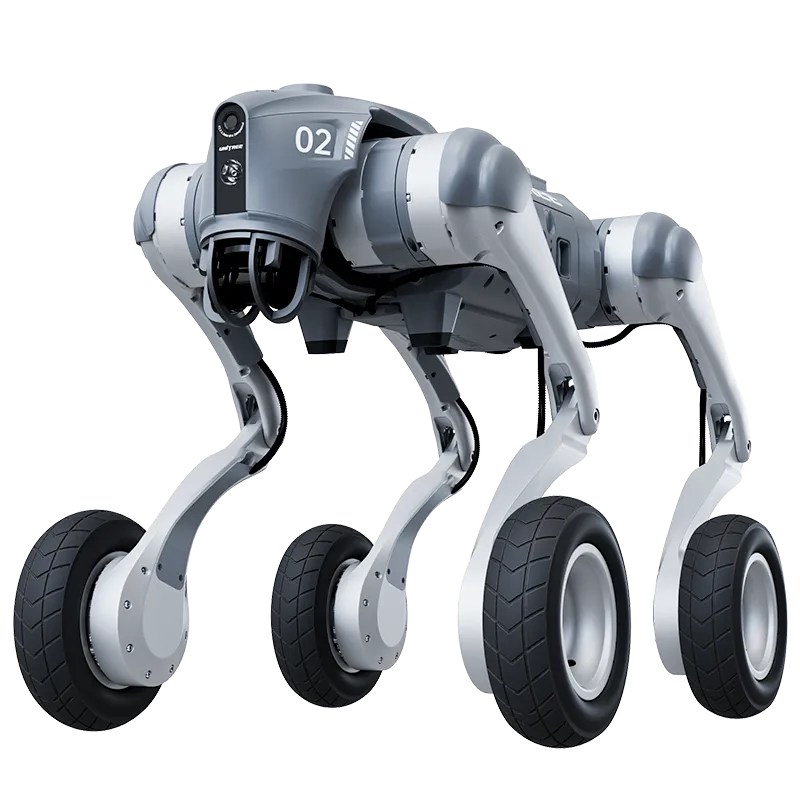
1X NEO is different. 1X’s official NEO page is much more home-specific: chores, scheduling, soft body, quiet operation, and “Expert Mode,” where a 1X expert can help guide tasks the robot does not yet know. NEO is less of a lab platform and more of a managed home product promise.
So the buyer question is not “which is the best humanoid?” It is:
- Do you want a home-first service concept? Start with NEO.
- Do you want a lower-cost compact humanoid platform? Start with Unitree G1.
- Do you want a European compact humanoid with ROS 2, Python, and a Pro manipulation tier? The 4NE-1 Mini is the new one to watch.
Why the Pro tier matters
The €19,999 headline is useful, but the €29,999 Pro version may be the more honest robot for serious early adopters.
Home usefulness depends heavily on hands. A humanoid that can walk, talk, and navigate is impressive, but home tasks usually fail at the point of contact: opening a drawer, picking up a cup without crushing it, aligning a plug, handling clothing, or recovering when an object slips. NEURA’s Standard model does not include the 12-DOF dexterous hands. Pro does.
That does not automatically make Pro a household chore robot. It makes Pro the configuration that gives developers a realistic manipulation stack to test. The extra software also matters: C++ SDK, digital twin access, teleoperation, and readiness for Neura Gym training are not consumer convenience features. They are platform features for people building and validating robot skills.
This is where NEURA’s broader ecosystem becomes relevant. In April 2026, NEURA and Dassault Systèmes announced a partnership around virtual twins and real-world robot learning. The idea is a loop: train and validate robot skills in virtual environments, deploy them to physical robots, then feed real-world learnings back into the system. NEURA says the full-size 4NE-1 will be integrated into Dassault Systèmes’ 3DEXPERIENCE virtual twin ecosystem, with other form factors to follow.
For a Mini buyer, that matters because the robot’s long-term value may depend less on day-one chore ability and more on whether NEURA can turn deployments, simulation, and developer work into reusable skills. That is the bet behind the Neuraverse language.
What the Bundesliga demo does — and does not — prove
NEURA’s strongest public Mini demo so far was not in a living room. It was at a Bundesliga match.
In March 2026, NEURA said the 4NE-1 Mini appeared during VfB Stuttgart’s “Innovation Match Day.” According to NEURA, the robot handed a microphone to Sami Khedira, carried the official match ball, interacted with the club mascot, and appeared with fans in the business area. The company framed the event as proof that cognitive robotics is moving from lab demos into public, service-oriented environments.
That is meaningful, but it is not the same as home readiness.
A stadium demo is controlled. The robot’s route, task, timing, and human interaction can be rehearsed. A home is messier: toys on the floor, pets, reflective surfaces, narrow hallways, loose cables, fragile objects, changing lighting, and people who do not stand exactly where the demo script expects them to stand.
The demo still tells us something useful: the Mini is not just a CAD render or a reservation page. NEURA has shown the compact body performing public interaction tasks. But buyers should not translate “carried a match ball” into “can clean my kitchen.” Those are different autonomy problems.
What is still unclear
The 4NE-1 Mini is one of the more credible compact humanoid preorders, but several key details are still not buyer-grade.
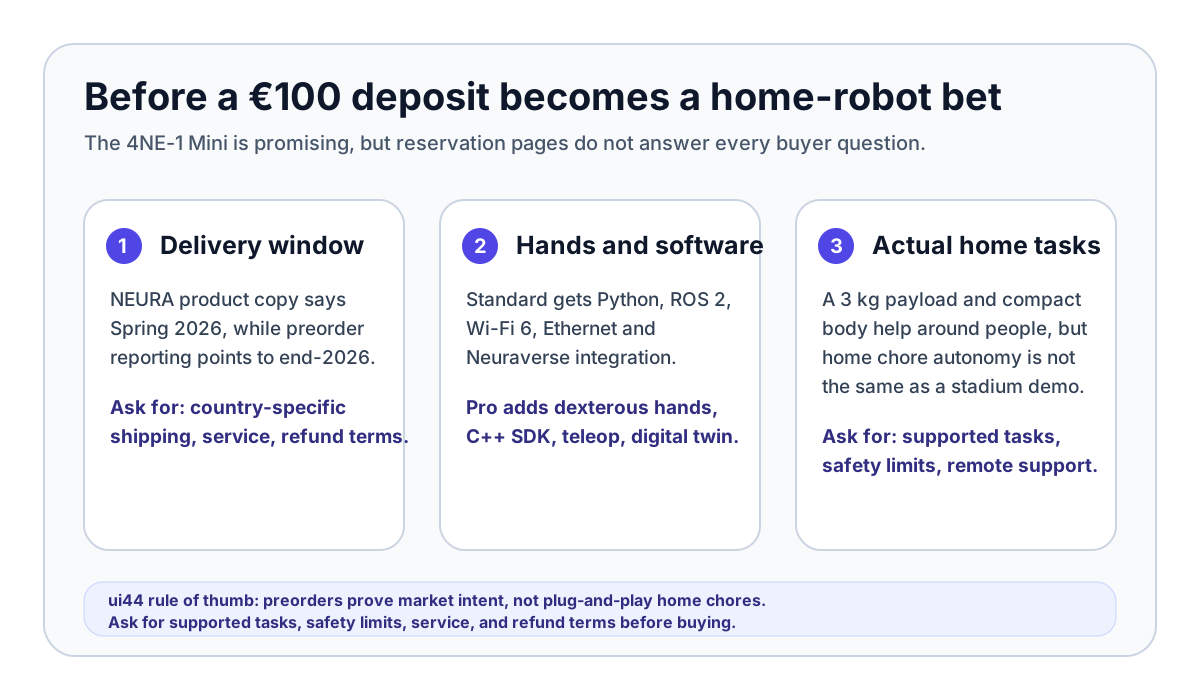
Delivery timing is fuzzy. NEURA’s product page says buyers can reserve to be among the first to receive the Mini in Spring 2026. Third-party preorder reporting has described shipments by the end of 2026. As of this draft, the safest wording is that NEURA is taking reservations, while exact country-by-country delivery timing needs confirmation from NEURA.
Service coverage matters. A €20K to €30K humanoid is not a laptop. If an actuator fails, a battery pack degrades, a sensor needs calibration, or an update breaks navigation, buyers need a repair path. NEURA is headquartered in Metzingen, Germany and describes locations in Switzerland, China, and the United States, but preorder buyers should verify their local support terms before treating the deposit as a purchase decision.
Home tasks are not specified enough. NEURA’s language spans industrial, household, service, research, education, and entertainment use cases. That breadth is exciting, but it can hide the practical question: what can the Mini do reliably without a developer standing nearby?
The Standard model may be too limited for manipulation. If you are buying because you want hands, pay attention: the official reservation table puts 12-DOF dexterous hands in the Pro tier, not Standard.
Safety certification is not a footnote. A 36 kg biped with moving arms is far less intimidating than an 80 kg full-size humanoid, but it is still a powerful machine in a human environment. Buyers should look for clear safety limits, emergency stop behavior, collision handling, update policies, and what happens when the robot loses confidence.
Who should consider the 4NE-1 Mini preorder?
The 4NE-1 Mini makes the most sense for three groups.
First: robotics labs, universities, and technical schools that want a European compact humanoid with ROS 2 and Python access. The price is high for a classroom, but low compared with full-size humanoid platforms.
Second: companies prototyping service-robot workflows that do not need an 80 kg platform. A 132 cm body with a 3 kg payload is easier to stage in offices, showrooms, reception areas, and light interaction demos than a full industrial humanoid.
Third: serious early adopters who understand the difference between owning a robot and owning a robotics project. If you are comfortable with uncertain software maturity, safety constraints, support questions, and fast-changing hardware, a €100 reservation may be a reasonable way to keep a place in line.
It is probably not the right preorder for someone who simply wants chores done. If that is the goal, the more relevant near-term questions are whether 1X NEO can deliver its managed home experience, whether Figure’s home-lease ambitions become real, and whether single-purpose home robots keep solving narrow tasks faster than humanoids solve general ones.
Bottom line
The NEURA 4NE-1 Mini is important because it narrows the gap between “humanoid robot as industrial showcase” and “humanoid robot as orderable platform.” At €19,999, it is not cheap. But compared with NEURA’s €98,000 full-size 4NE-1, it changes the conversation.
The strongest reason to care is not that it looks futuristic or carries the halo of European engineering. The reason to care is that it combines a compact humanoid body, an explicit developer interface, a Pro manipulation tier, and a company trying to build a broader robot-learning ecosystem around real and virtual deployments.
That makes the 4NE-1 Mini a serious database entry, not just another demo robot.
The sober verdict: worth watching, reasonable for labs and advanced developers, too early to treat as a plug-and-play home helper. If NEURA can clarify delivery timing, local service, supported tasks, and safety certification, the Mini could become one of Europe’s first genuinely comparable alternatives to the Unitree G1 and 1X NEO in the affordable humanoid race.
Related in the database
Use this article as a market-reality workflow
Turn the article into a market-reality pass grounded in the robots, manufacturers, and countries it actually references.
NEURA 4NE1 Mini: Europe’s €20K Humanoid Preorder already points you toward 4 linked robots, 3 manufacturers, and 3 countries inside the ui44 database. That matters because strong buyer guidance is easier to apply when you can move immediately from a claim or warning into concrete product pages, manufacturer directories, component explainers, and country-level context instead of treating the article as an isolated opinion piece. The fastest next step is to turn the article into a shortlist workflow: open the linked robot pages, verify which specs are actually published for those models, then compare the surrounding manufacturer and component context before you decide whether the underlying claim changes your buying plan.
For this topic, the useful discipline is to separate the editorial lesson from the catalog evidence. The article gives you the framing, but the robot pages tell you what each product actually ships with today: sensor stack, connectivity methods, listed price, release timing, category, and support-relevant compatibility notes. The manufacturer pages then show whether you are looking at a one-off launch, a broader lineup pattern, or a company that spans multiple categories. That layered workflow reduces the risk of buying on a single marketing phrase or a single support FAQ.
Launch claims age fast. The safest move is to pair the article with robot status, price, and manufacturer breadth checks inside ui44 so you can see whether 4NE-1 Mini, 4NE-1, and G1 are actually ready for a shortlist or still mostly launch-stage signals. If you want a quick working shortlist, open Compare 4NE-1 Mini, 4NE-1, and G1 next, then keep this article open as the reasoning layer while you compare structured data side by side.
Practical Takeaway
Every robot, manufacturer, category, component, and country reference below resolves to a real ui44 page, keeping the follow-up path grounded in database records rather than generic advice.
Suggested next steps in ui44
- Check each linked robot page for listed price, status, and release timing before you treat a launch announcement as a shipping reality.
- Open NEURA Robotics to see whether the company’s ui44 footprint already shows a mature product lane or only a small launch cluster.
- Use country pages when the article spans several ecosystems, because launch timing and lineup depth often differ by region even when the headline sounds global.
- Finish with Compare 4NE-1 Mini, 4NE-1, and G1 so availability claims sit next to real product data.
- Treat every article as a live market snapshot. Re-check status and pricing before you move from interest to purchase intent.
Robot profiles worth opening next
Use the linked product pages as the evidence layer
The linked robot pages are where this article becomes operational. Instead of asking whether the headline is interesting, use the robot entries to inspect the actual mix of sensors, connectivity options, batteries, pricing, release timing, and stated capabilities attached to the products mentioned in the article. That is the easiest way to see whether the warning or opportunity described here affects one product family, a specific design pattern, or an entire buying lane.
4NE-1 Mini
NEURA Robotics · Humanoid · Pre-order
4NE-1 Mini is tracked on ui44 as a pre-order humanoid robot from NEURA Robotics. The database currently records a listed price of €19,999, a release date of 2026-01-05, ~2.5 hours battery life, Not disclosed charging time, and a published stack that includes Multi-camera Array, Force/Torque Sensors, and 3D Vision plus Wi-Fi 6 and Gigabit Ethernet.
For market and launch stories, this entry grounds the article in real product data. Use the combination of status, release timing, price, and published capabilities like 25 Degrees of Freedom, Autonomous Navigation, and Object Manipulation (Pro tier: 12-DOF dexterous hands) to decide whether 4NE-1 Mini belongs on a live shortlist or should stay in the watchlist bucket a little longer.
4NE-1
NEURA Robotics · Humanoid · Pre-order
4NE-1 is tracked on ui44 as a pre-order humanoid robot from NEURA Robotics. The database currently records a listed price of €98,000, a release date of 2024, ~2 hours battery life, Not disclosed charging time, and a published stack that includes 3D Vision (360°), Force/Torque Sensors (all joints), and Sensor Skin plus Wi-Fi 6 and Ethernet.
For market and launch stories, this entry grounds the article in real product data. Use the combination of status, release timing, price, and published capabilities like 25 Degrees of Freedom, Autonomous Navigation, and Object Manipulation to decide whether 4NE-1 belongs on a live shortlist or should stay in the watchlist bucket a little longer.
G1 is tracked on ui44 as a available humanoid robot from Unitree. The database currently records a listed price of $13,500, a release date of 2024-05-13, ~2 hours battery life, Not disclosed charging time, and a published stack that includes Depth Camera, 3D LiDAR, and 4 Microphone Array plus Wi-Fi 6 and Bluetooth 5.2.
For market and launch stories, this entry grounds the article in real product data. Use the combination of status, release timing, price, and published capabilities like Bipedal Walking, Object Manipulation, and Dexterous Hands (optional Dex3-1) to decide whether G1 belongs on a live shortlist or should stay in the watchlist bucket a little longer.
NEO
1X Technologies · Humanoid · Pre-order
NEO is tracked on ui44 as a pre-order humanoid robot from 1X Technologies. The database currently records a listed price of $20,000, a release date of 2025-10-28, ~4 hours battery life, Not disclosed charging time, and a published stack that includes RGB Cameras, Depth Sensors, and Tactile Skin plus Wi-Fi and Bluetooth.
For market and launch stories, this entry grounds the article in real product data. Use the combination of status, release timing, price, and published capabilities like Household Chores, Tidying Up, and Safe Human Interaction to decide whether NEO belongs on a live shortlist or should stay in the watchlist bucket a little longer.
Manufacturer context behind the article
Check whether this is one product story or a broader company pattern
Manufacturer pages add the market context that individual product pages cannot show on their own. They help you check whether a launch headline is backed by a deeper tracked lineup, a visible order path, and adjacent products that make the company look committed rather than opportunistic.
NEURA Robotics
ui44 currently tracks 4 robots from NEURA Robotics across 3 categorys. The company is grouped under Germany, and the current catalog footprint on ui44 includes 4NE-1, 4NE-1 Mini, MiPA.
That wider brand context matters because launch headlines can obscure how deep or shallow a company’s actual product footprint is. The manufacturer route helps you tell the difference between a growing ecosystem and a single high-visibility announcement. The category mix here currently points toward Humanoid, Home Assistants, Quadruped as the most useful next route if you want to see whether this article reflects a wider pattern inside the brand.
Unitree
ui44 currently tracks 2 robots from Unitree across 1 category. The company is grouped under China, and the current catalog footprint on ui44 includes H1, G1.
That wider brand context matters because launch headlines can obscure how deep or shallow a company’s actual product footprint is. The manufacturer route helps you tell the difference between a growing ecosystem and a single high-visibility announcement. The category mix here currently points toward Humanoid as the most useful next route if you want to see whether this article reflects a wider pattern inside the brand.
1X Technologies
ui44 currently tracks 2 robots from 1X Technologies across 1 category. The company is grouped under Norway, and the current catalog footprint on ui44 includes NEO, EVE.
That wider brand context matters because launch headlines can obscure how deep or shallow a company’s actual product footprint is. The manufacturer route helps you tell the difference between a growing ecosystem and a single high-visibility announcement. The category mix here currently points toward Humanoid as the most useful next route if you want to see whether this article reflects a wider pattern inside the brand.
Broaden the scan without leaving the database
Categories, components, and countries add the wider context
Category framing
Category pages are useful when the article touches a buying pattern that shows up across brands. A category route helps you confirm whether the linked products sit in a narrow niche or whether the same question should be tested across a larger field of alternatives.
Humanoid
The Humanoid category page currently groups 129 tracked robots from 92 manufacturers. ui44 describes this lane as: Full-size bipedal humanoid robots built to work alongside people — from factory floors to household tasks. Compare the cutting edge of humanoid robotics.
That makes the category route a practical follow-up when you want to check whether the products linked in this article are typical for the lane or whether they sit at one edge of the market. Useful starting examples currently include NEO, EVE, Mornine M1.
Country and ecosystem context
Country pages give extra context when support practices, launch sequencing, regulatory posture, or manufacturer mix matter. They are not a substitute for model-level verification, but they do help you see which ecosystems cluster together and which manufacturers sit in the same regional field when you broaden the search beyond the article headline.
Germany
The Germany route currently groups 13 tracked robots from 9 manufacturers in ui44. That gives you a useful regional lens when the article points toward support practices, launch sequencing, or brand clusters that may share similar ecosystem assumptions.
On the current route, manufacturers like NEURA Robotics, Bosch, Agile Robots make the page a good way to broaden the scan without losing the regional context that often shapes availability, documentation style, and adjacent alternatives.
China
The China route currently groups 189 tracked robots from 87 manufacturers in ui44. That gives you a useful regional lens when the article points toward support practices, launch sequencing, or brand clusters that may share similar ecosystem assumptions.
On the current route, manufacturers like AGIBOT, Dreame, Unitree Robotics make the page a good way to broaden the scan without losing the regional context that often shapes availability, documentation style, and adjacent alternatives.
Norway
The Norway route currently groups 2 tracked robots from 1 manufacturers in ui44. That gives you a useful regional lens when the article points toward support practices, launch sequencing, or brand clusters that may share similar ecosystem assumptions.
On the current route, manufacturers like 1X Technologies make the page a good way to broaden the scan without losing the regional context that often shapes availability, documentation style, and adjacent alternatives.
Questions to answer before you move from reading to buying
A follow-up FAQ built from the entities already linked in this article
Frequently Asked Questions
Which page should I open first after reading “NEURA 4NE1 Mini: Europe’s €20K Humanoid Preorder”?
Start with 4NE-1 Mini. That gives you a concrete product anchor for the article’s main claim. From there, branch into the manufacturer and component pages so you can tell whether the article is describing one specific model, a repeated brand pattern, or a wider technology issue that affects multiple shortlist options.
How do the manufacturer pages change the buying decision?
NEURA Robotics help you zoom out from one article and one product. On ui44 they show lineup breadth, category spread, and the neighboring robots tied to the same company. That context is useful when you are deciding whether a risk belongs to a single model, whether it shows up across a brand’s portfolio, and whether you should keep looking at alternatives before committing.
When should I switch from reading to side-by-side comparison?
Move into Compare 4NE-1 Mini, 4NE-1, and G1 as soon as you understand the article’s main warning or promise. The article explains what to watch for, but the compare view is where you can check whether price, status, battery life, connectivity, sensors, and category fit still make the robot a good match for your own home and budget.
Where to go next in ui44
Keep the research chain inside the database
If you want to keep going, these follow-on pages give you the cleanest expansion path from article to research session. Open the comparison route first if you are deciding between products today. Open the manufacturer, category, and component routes if you still need to understand the broader pattern behind the claim.
Written by
ui44 Team
Published May 5, 2026
Share this article
Open a plain share link on X or Bluesky. No embeds, no widgets, no cookie baggage.