That makes the U1 interesting. It also makes it easy to overread.

The short version: U1 is a serious signal that Chinese robot makers want to sell full-size companion humanoids directly to households and institutions. It is not yet proof that a full-size robot can safely and autonomously do useful home labor. Buyers should treat it as a high-end companion and presence device first, then ask hard questions about mobility, battery life, privacy, support, and what each U1 version can actually do.
What UBTECH Actually Announced
UBTECH introduced the UWORLD U1 Series at its June 30, 2026 global launch event in Shenzhen. The company said the line includes three versions: U1 Lite, U1 Pro, and U1 Ultra. Its PR Newswire release described U1 as a full-size ultra-bionic humanoid robot series with pricing from CNY 119,800 and cumulative orders above 13,361 units at launch.
Chinese and English coverage filled in the SKU-level picture. TechNode reported that the line runs from CNY 119,800, about $17,600, to CNY 990,000, about $145,000, and that first deliveries were planned for September 16, 2026. Securities Times listed U1 Lite at CNY 119,800, U1 Pro at CNY 169,800, U1 Ultra female at CNY 880,000, and U1 Ultra male at CNY 990,000.
The range matters because these are not three trims of the same practical home helper. They are three different answers to the same question: how much of the humanoid body does the first real buyer need?
Version
U1 Lite
- Launch price reported
- CNY 119,800
- Body approach
- Semi-torso companion
- Buyer reading
- Face, voice, memory, and presence without the hardest bipedal-home problem
Version
U1 Pro
- Launch price reported
- CNY 169,800
- Body approach
- Full-body companion
- Buyer reading
- The mainstream full-size U1 pitch, but not automatically a chore robot
Version
U1 Ultra
- Launch price reported
- CNY 880,000 to 990,000
- Body approach
- High-dynamic full-body model
- Buyer reading
- More likely a showcase, commercial, research, or premium deployment than a normal home purchase
| Version | Launch price reported | Body approach | Buyer reading |
|---|---|---|---|
| U1 Lite | CNY 119,800 | Semi-torso companion | Face, voice, memory, and presence without the hardest bipedal-home problem |
| U1 Pro | CNY 169,800 | Full-body companion | The mainstream full-size U1 pitch, but not automatically a chore robot |
| U1 Ultra | CNY 880,000 to 990,000 | High-dynamic full-body model | More likely a showcase, commercial, research, or premium deployment than a normal home purchase |
On ui44, the UWORLD U1 Series is tracked as a preorder humanoid with male and female full-size variants, 88 degrees of freedom, 2 to 4 hours of battery life, Wi-Fi connectivity, local encrypted memory for emotional interaction, and final detailed sensor, safety, charging, and payload disclosures still incomplete.
That combination should shape expectations. This is a full-size companion platform with impressive humanlike interaction claims, not a mature appliance category with boring specs, clear service contracts, and years of home repair history.
The Most Important Caveat: Companion First, Chores Later
The U1 story is strongest when read as a companion robot story. It becomes much weaker when interpreted as "the humanoid that will finally do the dishes."
UBTECH's own public framing leans toward daily companionship, emotional support, social assistance, reception, elder care, mental-wellness programs, tourism, exhibitions, research, education, and premium domestic service. China Daily's coverage of the ethics debate around U1 put the current split plainly: companion and bionic humanoids focus on emotional value, while functional humanoids are the track aimed at household chores and factory work.
That distinction is not a footnote. It is the article.
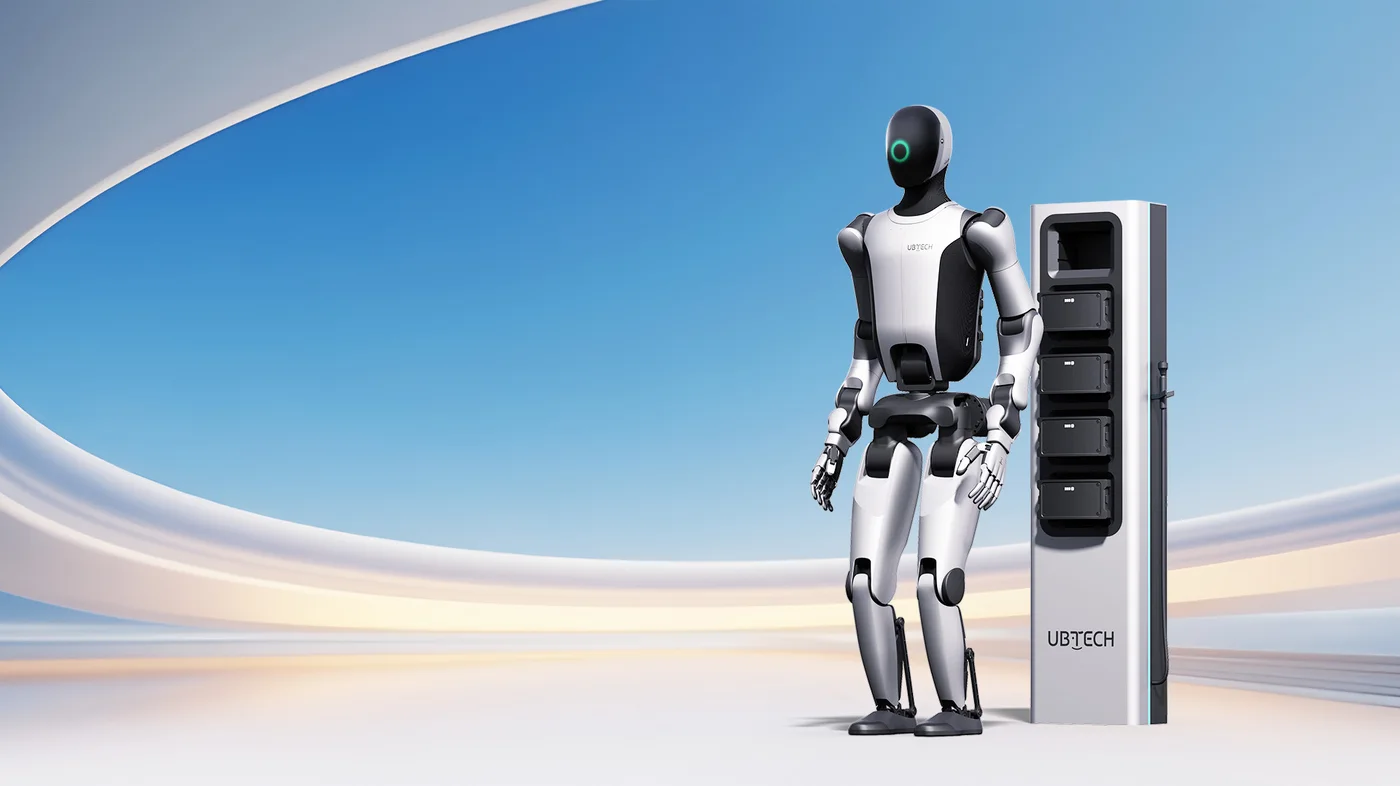
The UBTECH Walker S2 in ui44's database is the more industrial proof point. It is positioned around factory and logistics work, a 15 kg manipulation capability, RGB binocular stereo vision, and an autonomous hot-swappable battery concept for near-continuous operation. The U1 is moving in the other direction: toward face, memory, presence, and emotional interaction.
That may be smart. Homes are unpredictable, legally sensitive, and full of fragile objects, tight passages, pets, children, thresholds, rugs, stairs, and social context. A robot that can hold a conversation in one place is much easier to productize than a robot that can autonomously move through an apartment, handle wet dishes, carry groceries, and avoid hurting someone.
Jiemian's reporting also flagged a buyer-relevant detail: the preorder-focused U1 Pro was described by JD.com store customer service as not currently having autonomous walking or housework capability. That should stop any buyer from assuming "full-body" means "general home labor."
Price Makes U1 a Category Test, Not a Mass-Market Robot
The most useful comparison is not with a robot vacuum. It is with other consumer-facing humanoids that make very different trade-offs.
Robot
- ui44 status
- Pre-order
- Price signal
- Launch reports: CNY 119,800 to 990,000
- Home meaning
- Full-size bionic companion, uncertain task utility
Robot
- ui44 status
- Pre-order
- Price signal
- $20,000 Early Access ownership, or $499/month later
- Home meaning
- Home-first humanoid pitch with remote Expert Mode backup
Robot
- ui44 status
- Available
- Price signal
- $29,900 base price
- Home meaning
- Full-size humanoid for research and advanced users, not a household appliance
Robot
- ui44 status
- Pre-order
- Price signal
- From $4,900 for R1 Air
- Home meaning
- Smaller, athletic, low-cost humanoid, not a mature domestic helper
Robot
- ui44 status
- Active
- Price signal
- No public price
- Home meaning
- Industrial humanoid benchmark, not a direct home product
| Robot | ui44 status | Price signal | Home meaning |
|---|---|---|---|
| UWORLD U1 Series | Pre-order | Launch reports: CNY 119,800 to 990,000 | Full-size bionic companion, uncertain task utility |
| 1X NEO | Pre-order | $20,000 Early Access ownership, or $499/month later | Home-first humanoid pitch with remote Expert Mode backup |
| Unitree H2 | Available | $29,900 base price | Full-size humanoid for research and advanced users, not a household appliance |
| Unitree R1 | Pre-order | From $4,900 for R1 Air | Smaller, athletic, low-cost humanoid, not a mature domestic helper |
| UBTECH Walker S2 | Active | No public price | Industrial humanoid benchmark, not a direct home product |
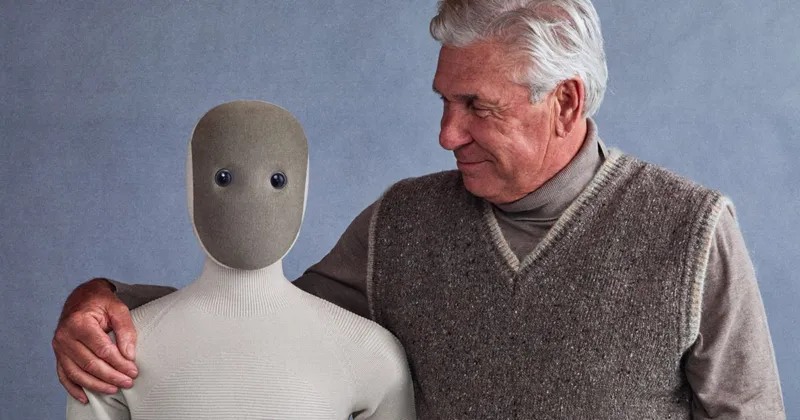
1X NEO is the cleanest contrast. NEO is home-focused, soft-bodied, 167 cm tall, about 30 kg, and listed in ui44 at $20,000 for Early Access ownership. It is also explicit about a supervised path for early household work, with human help through Expert Mode. That is a different kind of honesty: less bionic, more utility-forward, and more transparent about needing backup.
U1 is aiming at presence. Its launch pricing implies that many early buyers are not shopping for a cheaper substitute for household labor. They may be buying a display of frontier robotics, a companion device, an institutional demo, a care pilot, a hospitality attraction, or a social signal.
That does not make U1 unserious. It means the buyer question is not "can this replace a cleaner?" The better question is "what real problem does this solve at CNY 119,800 and up, and what proof would make that answer durable after the novelty fades?"
Battery Life Is a Real Constraint
UBTECH's 2 to 4 hour battery-life window has already drawn criticism. TechNode reported that UBTECH responded by saying this is typical for full-size humanoid robots in mass production. China Daily likewise summarized the company's position that the range is an industry norm.
That may be true and still disappointing.
For a household buyer, battery life is not just a spec-sheet number. It changes where the robot can be useful. A 2 to 4 hour companion robot can support scheduled interaction windows, receptions, demonstrations, visits, or short care routines. It cannot be assumed to provide all-evening availability, all-day mobility, or overnight monitoring unless the workflow is built around charging, parking, or supervised use.
The comparison set shows why this remains unsettled. ui44 tracks Unitree H2 at about 3 hours and Unitree R1 at about 1 hour of mixed activity. 1X NEO is listed at roughly 4 hours. Full-size humanoids are still fighting physics: motors, batteries, onboard compute, cooling, balance recovery, and safety margins all compete for space and weight.
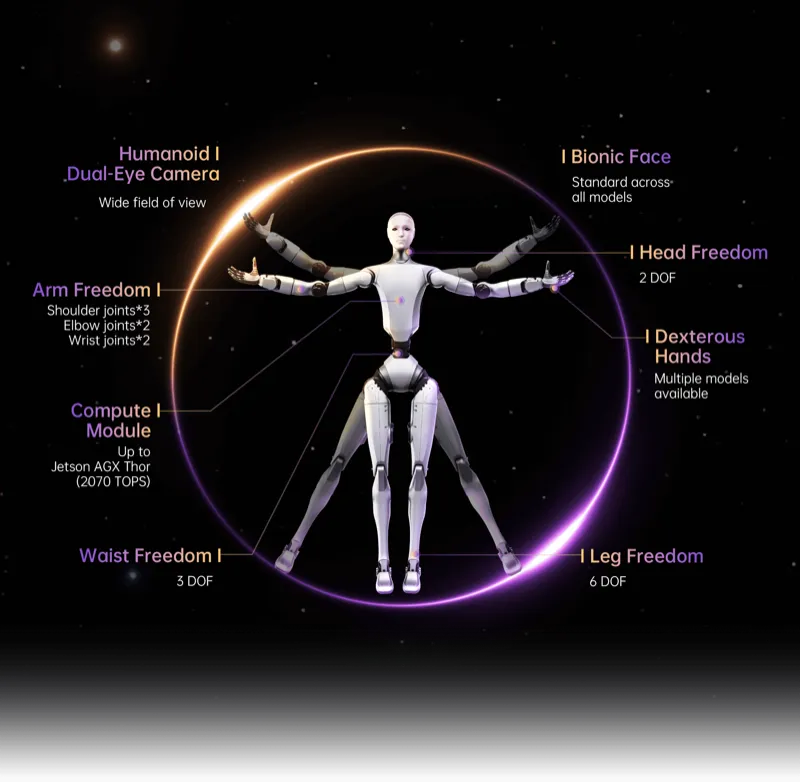
That makes U1 Lite interesting. Removing the lower body is not only a cheaper trim strategy. It removes one of the most power-hungry, safety-critical systems from the product. If the primary use case is conversation, memory, facial expression, and a feeling of presence, a semi-torso device may be a more honest first household product than a walking humanoid that cannot yet do reliable physical work.
Privacy Claims Need Buyer Verification
U1's privacy positioning is better than many companion-robot pitches because it is specific enough to evaluate. UBTECH says interaction data is encrypted and stored locally by default, with local-first processing, minimal cloud dependency, and user-controlled safeguards. Jiemian reported that users can view, export, and delete data tied to the memory system.
Those are the right promises for an emotional companion robot. They are not the same thing as proof.
The hard questions are practical:
- What data is stored locally, and what still leaves the device?
- Can the robot work offline, or does "minimal cloud" still mean cloud-dependent core features?
- How are face, voice, emotion, and memory records separated?
- Can a household reset the robot completely before resale, repair, or transfer?
- Who can access diagnostic logs during support?
- Are minors, guests, care recipients, and visitors handled differently?
These questions matter more for U1 than for most home robots because the product is explicitly built around long-term emotional interaction. A vacuum map is sensitive. A persistent memory of conversations, moods, relationships, routines, and care needs is more sensitive.
China Daily's July 8 coverage also shows that U1 is arriving into a live ethics conversation, not a settled category. Regulators and industry groups are calling for clearer boundaries around emotional companionship robots, and UBTECH has said U1 is not positioned as a boyfriend, girlfriend, or romantic partner. That boundary is healthy, but buyers should look for the product behavior behind the statement: marketing, onboarding, safeguards, role limits, and controls for dependent users.
The 88-DoF Claim Is Impressive, But It Does Not Equal Home Autonomy
UBTECH says the U1 Series has 88 degrees of freedom, a dual-pivot bionic cervical spine, facial actuation, emotion recognition across more than 20 fine-grained states, and low-latency lip synchronization. These are meaningful engineering claims. They also cluster around expression and interaction.
That is different from the stack needed for home labor:
- safe bipedal navigation around clutter and people;
- compliant manipulation of unknown household objects;
- reliable grasping without damaging items;
- task planning that handles messy real homes;
- fall detection and recovery;
- practical insurance, support, and repair terms;
- clear boundaries for teleoperation or remote assistance.
A robot can look emotionally present before it is physically dependable. In fact, that may be the main risk of bionic design. Humanlike faces create a strong expectation that the rest of the system will be equally capable. Buyers should resist that shortcut.
The more useful frame is a readiness ladder:
- Can it hold natural conversation in a controlled environment?
- Can it remember preferences without mishandling sensitive data?
- Can it move safely without creating a household hazard?
- Can it manipulate common objects without supervision?
- Can it recover from failure in a boring, serviceable way?
U1 appears strongest on the first two steps. The public evidence for steps three through five is still too thin for an ordinary buyer to treat it as solved.
Who Should Actually Consider a U1 Preorder?
A U1 preorder makes the most sense for buyers who understand that they are entering a new category early.
Reasonable early buyers might include robotics collectors, care or hospitality organizations running supervised pilots, research groups studying bionic interaction, commercial venues that want a striking reception presence, or high-income households comfortable with novelty, support friction, and evolving software.
Ordinary households should be more cautious. The U1 may become a landmark product, but the buying case still depends on details that are not yet boringly clear: final availability outside China, service coverage, warranty terms, home-safety certification, child and guest controls, repair process, autonomy limits, and what happens when the robot cannot complete an interaction safely.
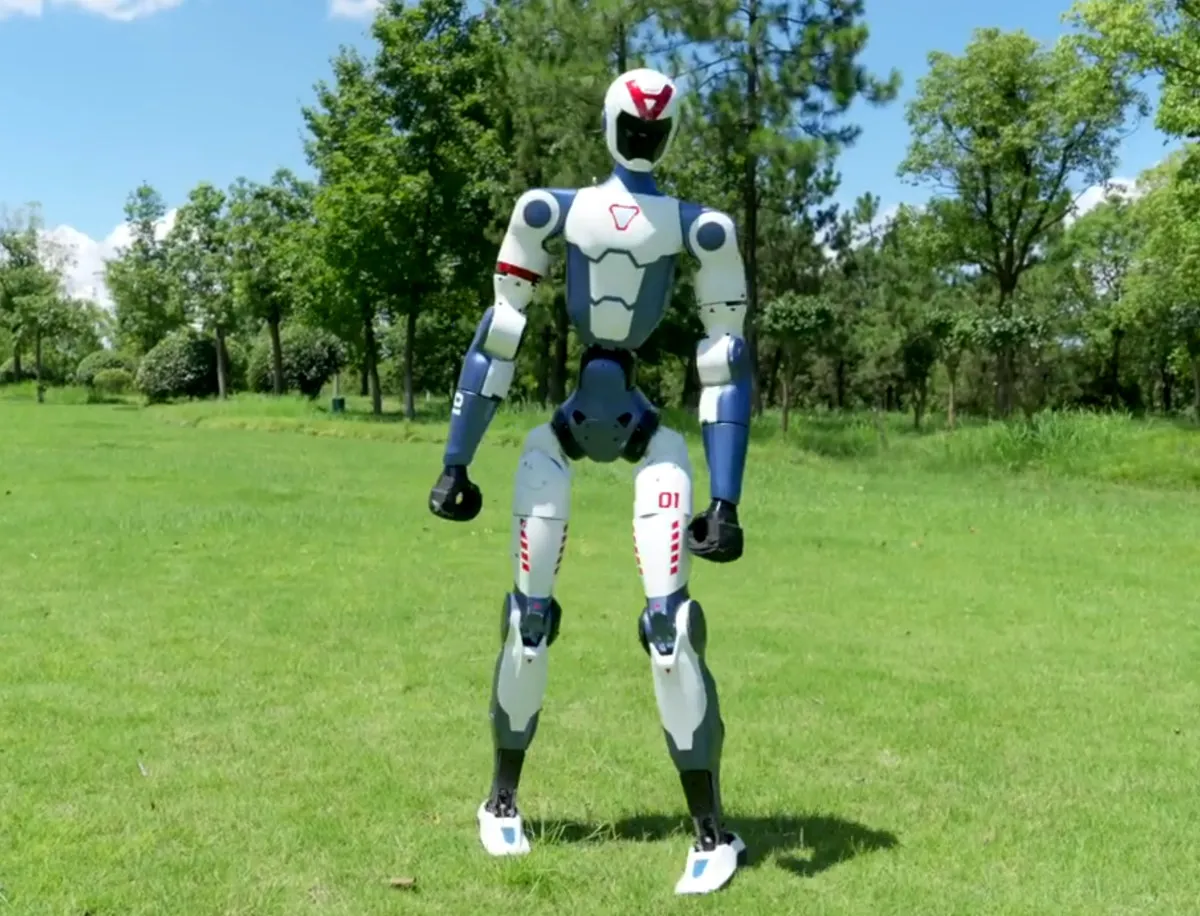
The cheaper side of the humanoid market is also moving fast. Unitree R1 starts far below U1's launch prices, while Unitree H2 and 1X NEO sit closer to the research and early-adopter bands. None of these should be confused with a mainstream home appliance yet, but they give buyers a useful price map: low-cost humanoids are becoming real, full-size humanoids are crossing into public ordering, and actual home utility remains the scarce part.
The Buyer Verdict
UBTECH U1 is important because it makes companion humanoids feel less like a future keynote and more like a product category. The order numbers, price bands, and delivery target turn the announcement into a market test.
The strongest case for U1 is emotional presence: a full-size bionic robot that can converse, remember, express, and participate in care, reception, education, or companionship scenarios. The weakest case is unsupervised domestic labor. Nothing in the public evidence suggests buyers should assume that U1 Pro or U1 Ultra can reliably walk through a normal home and perform chores like a human assistant.
For ui44 readers, the practical answer is simple:
- If you want a companion, social presence, or bionic interaction pilot, U1 is worth watching closely.
- If you want physical household help, compare it against 1X NEO, Unitree H2, and other humanoids with a sharper manipulation story.
- If privacy matters, ask for concrete local-processing, deletion, support-log, and guest-data controls before paying a deposit.
- If value matters, wait for deliveries, independent demonstrations, service terms, and owner reports.
U1 may be the first full-size bionic companion humanoid many buyers can seriously consider. It is not yet the robot that proves full-size humanoids are ready to run the home.
Related in the database
Use this article as a privacy verification workflow
Turn the article into a privacy verification pass grounded in the robots, manufacturers, and components it actually references.
UBTech U1 Preorder Reality Check for Homes already points you toward 5 linked robots, 3 manufacturers, and 2 countries inside the ui44 database. That matters because strong buyer guidance is easier to apply when you can move immediately from a claim or warning into concrete product pages, manufacturer directories, component explainers, and country-level context instead of treating the article as an isolated opinion piece. The fastest next step is to turn the article into a shortlist workflow: open the linked robot pages, verify which specs are actually published for those models, then compare the surrounding manufacturer and component context before you decide whether the underlying claim changes your buying plan.
For this topic, the useful discipline is to separate the editorial lesson from the catalog evidence. The article gives you the framing, but the robot pages tell you what each product actually ships with today: sensor stack, connectivity methods, listed price, release timing, category, and support-relevant compatibility notes. The manufacturer pages then show whether you are looking at a one-off launch, a broader lineup pattern, or a company that spans multiple categories. That layered workflow reduces the risk of buying on a single marketing phrase or a single support FAQ.
Use the robot pages to confirm which products actually expose cameras, microphones, Wi-Fi, or voice systems, then use the manufacturer pages to decide how much of the privacy question seems product-specific versus brand-wide. On this route cluster, UWORLD U1 Series, Walker S2, and NEO form the fastest reality check. If you want a quick working shortlist, open Compare UWORLD U1 Series, Walker S2, and NEO next, then keep this article open as the reasoning layer while you compare structured data side by side.
Practical Takeaway
Every robot, manufacturer, category, component, and country reference below resolves to a real ui44 page, keeping the follow-up path grounded in database records rather than generic advice.
Suggested next steps in ui44
- Open UWORLD U1 Series and note the listed sensors, connectivity methods, and voice stack before you interpret any policy claim.
- Cross-check the wider brand context on UBTECH so you can see whether the privacy question touches one model or a broader lineup.
- Use the linked component pages to confirm how common the relevant sensors and connectivity layers are across the database.
- Keep a short note of which policy layers you checked, which device features are actually present on the robot page, and which items still depend on region- or app-level confirmation.
- Finish with Compare UWORLD U1 Series, Walker S2, and NEO so the policy reading sits next to structured product data.
Robot profiles worth opening next
Use the linked product pages as the evidence layer
The linked robot pages are where this article becomes operational. Instead of asking whether the headline is interesting, use the robot entries to inspect the actual mix of sensors, connectivity options, batteries, pricing, release timing, and stated capabilities attached to the products mentioned in the article. That is the easiest way to see whether the warning or opportunity described here affects one product family, a specific design pattern, or an entire buying lane.
UWORLD U1 Series
UBTECH · Humanoid · Pre-order
UWORLD U1 Series is tracked on ui44 as a pre-order humanoid robot from UBTECH. The database currently records a listed price of ¥119,800, a release date of 2026-06-30, 2-4 hours per charge battery life, Not officially disclosed charging time, and a published stack that includes Multimodal perception for emotional interaction and Detailed sensor package not officially disclosed plus Wi-Fi.
For privacy-focused reading, this page matters because it shows the concrete device surface behind the policy discussion. Use it to verify whether UWORLD U1 Series combines sensors and connectivity in a way that could change the in-home data footprint, and compare the listed capabilities such as Full-size Bipedal Humanoid Interaction, Emotional Companionship, and Personalized Conversation and Memory with any cloud, app, or voice layers.
Walker S2 is tracked on ui44 as a active humanoid robot from UBTECH. The database currently records a listed price of Price TBA, a release date of 2025-07-17, Designed for 24/7 continuous operation with autonomous battery swapping battery life, Autonomous battery swap in about 3 minutes charging time, and a published stack that includes Pure RGB Binocular Stereo Vision System, Stereo Depth Estimation System, and Real-Time Battery Monitoring plus Gigabit Ethernet Port and USB 3.0.
For privacy-focused reading, this page matters because it shows the concrete device surface behind the policy discussion. Use it to verify whether Walker S2 combines sensors and connectivity in a way that could change the in-home data footprint, and compare the listed capabilities such as Autonomous Battery Swapping, 24/7 Continuous Operation, and Industrial Handling and Assembly with any cloud, app, or voice layers.
NEO
1X Technologies · Humanoid · Pre-order
NEO is tracked on ui44 as a pre-order humanoid robot from 1X Technologies. The database currently records a listed price of $20,000, a release date of 2025-10-28, ~4 hours battery life, Not disclosed charging time, and a published stack that includes RGB Cameras, Depth Sensors, and Tactile Skin plus Wi-Fi and Bluetooth.
For privacy-focused reading, this page matters because it shows the concrete device surface behind the policy discussion. Use it to verify whether NEO combines sensors and connectivity in a way that could change the in-home data footprint, and compare the listed capabilities such as Household Chores, Tidying Up, and Safe Human Interaction with any cloud, app, or voice layers.
Unitree H2
Unitree Robotics · Humanoid · Available
Unitree H2 is tracked on ui44 as a available humanoid robot from Unitree Robotics. The database currently records a listed price of $29,900, a release date of 2025-10-20, About 3 hours battery life, Not officially disclosed charging time, and a published stack that includes Binocular Camera (Wide FOV), Array Microphone, and IMU plus Wi-Fi 6 and Bluetooth 5.2.
For privacy-focused reading, this page matters because it shows the concrete device surface behind the policy discussion. Use it to verify whether Unitree H2 combines sensors and connectivity in a way that could change the in-home data footprint, and compare the listed capabilities such as 31 Degrees of Freedom, 360 N·m Peak Leg Joint Torque, and 120 N·m Peak Arm Joint Torque with any cloud, app, or voice layers, including Built-in Voice Interaction.
R1
Unitree Robotics · Humanoid · Pre-order
R1 is tracked on ui44 as a pre-order humanoid robot from Unitree Robotics. The database currently records a listed price of $4,900, a release date of 2025, ~1 hour (mixed activity) battery life, Not officially disclosed charging time, and a published stack that includes Monocular camera (R1 Air); binocular camera (R1/R1 EDU), 4-Mic Array, and Dual 6-Axis IMU plus Wi-Fi 6 and Bluetooth 5.2.
For privacy-focused reading, this page matters because it shows the concrete device surface behind the policy discussion. Use it to verify whether R1 combines sensors and connectivity in a way that could change the in-home data footprint, and compare the listed capabilities such as Bipedal Walking & Running, Cartwheels & Handstands, and Push Recovery with any cloud, app, or voice layers, including UnifoLM (voice + image commands).
Manufacturer context behind the article
Check whether this is one product story or a broader company pattern
Manufacturer pages add the privacy context that individual product pages cannot show on their own. They help you check whether cameras, microphones, cloud accounts, app controls, and policy assumptions appear across a broader lineup or stay tied to one specific product story.
UBTECH
ui44 currently tracks 5 robots from UBTECH across 2 categorys. The company is grouped under China, and the current catalog footprint on ui44 includes Walker S, Walker S2, Alpha Mini.
That wider brand context matters because privacy questions rarely stop at one FAQ page. A manufacturer route helps you see whether the article is centered on one premium model or on a company that has several relevant products and therefore more than one place where the same policy or app assumptions might matter. The category mix here currently points toward Humanoid, Companions as the most useful next route if you want to see whether this article reflects a wider pattern inside the brand.
1X Technologies
ui44 currently tracks 2 robots from 1X Technologies across 1 category. The company is grouped under Norway, and the current catalog footprint on ui44 includes NEO, EVE.
That wider brand context matters because privacy questions rarely stop at one FAQ page. A manufacturer route helps you see whether the article is centered on one premium model or on a company that has several relevant products and therefore more than one place where the same policy or app assumptions might matter. The category mix here currently points toward Humanoid as the most useful next route if you want to see whether this article reflects a wider pattern inside the brand.
Unitree Robotics
ui44 currently tracks 9 robots from Unitree Robotics across 3 categorys. The company is grouped under China, and the current catalog footprint on ui44 includes B2, B1, Go2.
That wider brand context matters because privacy questions rarely stop at one FAQ page. A manufacturer route helps you see whether the article is centered on one premium model or on a company that has several relevant products and therefore more than one place where the same policy or app assumptions might matter. The category mix here currently points toward Quadruped, Humanoid, Research as the most useful next route if you want to see whether this article reflects a wider pattern inside the brand.
Broaden the scan without leaving the database
Categories, components, and countries add the wider context
Category framing
Category pages are useful when the article touches a buying pattern that shows up across brands. A category route helps you confirm whether the linked products sit in a narrow niche or whether the same question should be tested across a larger field of alternatives.
Humanoid
The Humanoid category page currently groups 129 tracked robots from 92 manufacturers. ui44 describes this lane as: Full-size bipedal humanoid robots built to work alongside people — from factory floors to household tasks. Compare the cutting edge of humanoid robotics.
That makes the category route a practical follow-up when you want to check whether the products linked in this article are typical for the lane or whether they sit at one edge of the market. Useful starting examples currently include NEO, EVE, Mornine M1.
Country and ecosystem context
Country pages give extra context when support practices, launch sequencing, regulatory posture, or manufacturer mix matter. They are not a substitute for model-level verification, but they do help you see which ecosystems cluster together and which manufacturers sit in the same regional field when you broaden the search beyond the article headline.
China
The China route currently groups 189 tracked robots from 87 manufacturers in ui44. That gives you a useful regional lens when the article points toward support practices, launch sequencing, or brand clusters that may share similar ecosystem assumptions.
On the current route, manufacturers like AGIBOT, Dreame, Unitree Robotics make the page a good way to broaden the scan without losing the regional context that often shapes availability, documentation style, and adjacent alternatives.
Norway
The Norway route currently groups 2 tracked robots from 1 manufacturers in ui44. That gives you a useful regional lens when the article points toward support practices, launch sequencing, or brand clusters that may share similar ecosystem assumptions.
On the current route, manufacturers like 1X Technologies make the page a good way to broaden the scan without losing the regional context that often shapes availability, documentation style, and adjacent alternatives.
Questions to answer before you move from reading to buying
A follow-up FAQ built from the entities already linked in this article
Frequently Asked Questions
Which page should I open first after reading “UBTech U1 Preorder Reality Check for Homes”?
Start with UWORLD U1 Series. That gives you a concrete product anchor for the article’s main claim. From there, branch into the manufacturer and component pages so you can tell whether the article is describing one specific model, a repeated brand pattern, or a wider technology issue that affects multiple shortlist options.
How do the manufacturer pages change the buying decision?
UBTECH help you zoom out from one article and one product. On ui44 they show lineup breadth, category spread, and the neighboring robots tied to the same company. That context is useful when you are deciding whether a risk belongs to a single model, whether it shows up across a brand’s portfolio, and whether you should keep looking at alternatives before committing.
When should I switch from reading to side-by-side comparison?
Move into Compare UWORLD U1 Series, Walker S2, and NEO as soon as you understand the article’s main warning or promise. The article explains what to watch for, but the compare view is where you can check whether price, status, battery life, connectivity, sensors, and category fit still make the robot a good match for your own home and budget.
Where to go next in ui44
Keep the research chain inside the database
If you want to keep going, these follow-on pages give you the cleanest expansion path from article to research session. Open the comparison route first if you are deciding between products today. Open the manufacturer, category, and component routes if you still need to understand the broader pattern behind the claim.
Written by
ui44 Team
Published September 16, 2026
Share this article
Open a plain share link on X or Bluesky. No embeds, no widgets, no cookie baggage.