Samsung Ballie Is Dead: What Six Years of Broken Home Robot Promises Mean for You
Reported during CES 2026 week (Bloomberg, Jan 7, 2026), Ballie is indefinitely shelved. After six years of CES demos, a Google Gemini partnership, and a promised summer 2025 launch, the rolling home robot will never reach your living room. Samsung now calls it an "internal innovation platform," which is corporate language for: it is over.
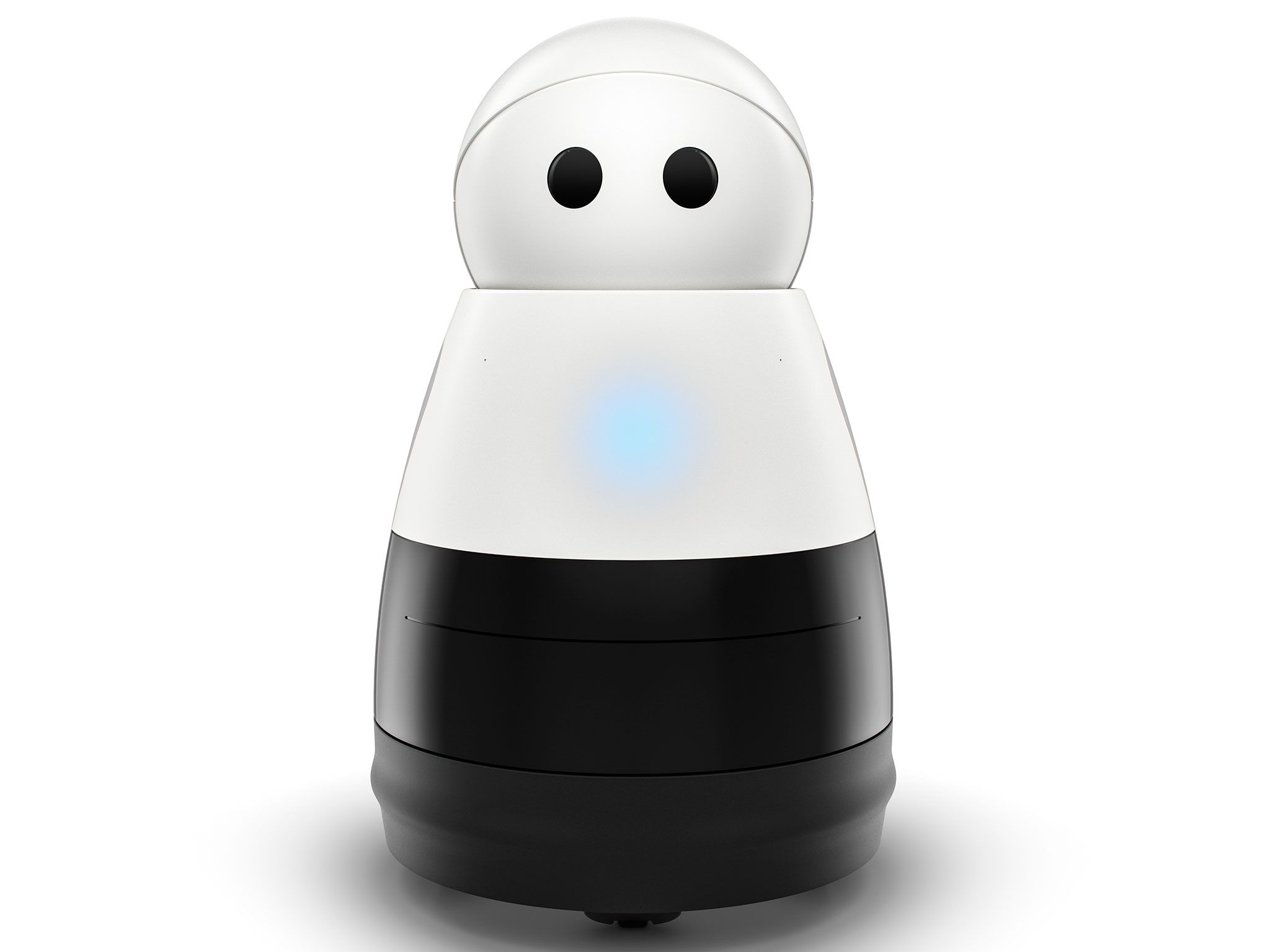
If you signed up on Samsung's waitlist, you waited for nothing. And you are not alone. Ballie joins Astro for Business (discontinued; consumer invite-only continued), Jibo (dead), Anki Vector and Cozmo (company bankrupt), and Mayfield Kuri (cancelled after acquisition) in the home robot graveyard.
This matters beyond Samsung. Every one of those failures followed the same pattern. And the current humanoid boom — with dozens of startups promising home robots "next year" — is running the identical playbook. Here is the full timeline, the pattern, and how to protect yourself.
Correction: our April 2026 article treated Ballie's promised summer 2025
launch as still plausible. It was already shelved in January 2026 when we
published. This article corrects the record.
The Ballie timeline: six years, zero shipments
Year
CES 2020
- What Samsung said
- Ballie debuts as a tennis-ball-sized rolling companion that follows you, controls smart home devices, and acts as a fitness assistant
- What actually happened
- Concept demo only. No price, no date, no specs
Year
2021–2023
- What Samsung said
- Silence. Ballie disappears from keynotes while Samsung focuses on phones, TVs, and appliances
- What actually happened
- No updates for three years
Year
CES 2024
- What Samsung said
- Ballie returns, bigger and redesigned, with a built-in projector, SmartThings control, pet monitoring, and personalized routines
- What actually happened
- Genuinely more concrete. Still no price or ship date
Year
April 2025
- What Samsung said
- Samsung + Google Cloud announce Ballie will use Gemini multimodal AI and ship to US and Korean consumers "this summer"
- What actually happened
- Strongest launch signal ever. Waitlist page goes live
Year
Summer 2025
- What Samsung said
- The promised launch window passes
- What actually happened
- Nothing ships. No explanation
Year
January 2026 (CES week)
- What Samsung said
- Bloomberg reports (Jan 7, 2026) Ballie is "indefinitely shelved," now an internal innovation platform
- What actually happened
- Six years end with a quiet briefing, not a press release
Year
2026
- What Samsung said
- Samsung's flagship home AI effort shifts to the Bespoke AI Jet Bot Steam Ultra vacuum and SmartThings software
- What actually happened
- Ballie product pages go stale; sign-up page lingers
| Year | What Samsung said | What actually happened |
|---|---|---|
| CES 2020 | Ballie debuts as a tennis-ball-sized rolling companion that follows you, controls smart home devices, and acts as a fitness assistant | Concept demo only. No price, no date, no specs |
| 2021–2023 | Silence. Ballie disappears from keynotes while Samsung focuses on phones, TVs, and appliances | No updates for three years |
| CES 2024 | Ballie returns, bigger and redesigned, with a built-in projector, SmartThings control, pet monitoring, and personalized routines | Genuinely more concrete. Still no price or ship date |
| April 2025 | Samsung + Google Cloud announce Ballie will use Gemini multimodal AI and ship to US and Korean consumers "this summer" | Strongest launch signal ever. Waitlist page goes live |
| Summer 2025 | The promised launch window passes | Nothing ships. No explanation |
| January 2026 (CES week) | Bloomberg reports (Jan 7, 2026) Ballie is "indefinitely shelved," now an internal innovation platform | Six years end with a quiet briefing, not a press release |
| 2026 | Samsung's flagship home AI effort shifts to the Bespoke AI Jet Bot Steam Ultra vacuum and SmartThings software | Ballie product pages go stale; sign-up page lingers |
Six years. Two physical redesigns. One Google partnership. Zero units sold to consumers.
Why Ballie failed (and why it was predictable)
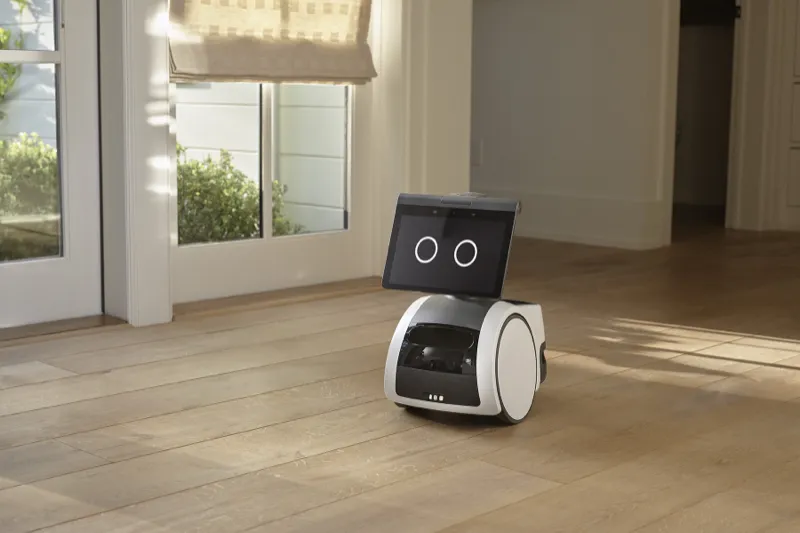
Ballie never had a price, a ship date with a year attached, or published specs for battery life, weight, or charging. Compare that with robots that actually shipped: Amazon Astro launched at $1,599.99 with full specs (44 cm tall, 9.35 kg, 1080p periscope camera). Enabot EBO X and LOVOT both ship with published prices and retail pages.
The rule is simple: no price + no specs + no firm date = no product. Ballie had none of the three for six straight years.
There were deeper problems too. A rolling ball with a projector is a solution hunting for a problem — it duplicates what a phone, a smart speaker, and a $300 portable projector already do. The Gemini partnership in 2025 was real technology, but it arrived five years after the concept needed it. And Samsung, a company that ships hundreds of millions of devices, never committed manufacturing capacity to Ballie the way it did to its Bespoke AI Jet Bot Steam Ultra vacuum line.
The home robot graveyard: Ballie is not alone
Robot
Ballie
- Company
- Samsung
- Years
- 2020–2026
- Fate
- Shelved after 6 years, never sold
Robot
Astro for Business
- Company
- Amazon
- Years
- 2021–2024
- Fate
- Business version discontinued July 2024 (devices bricked Sept 25, 2024); consumer invite-only continued
Robot
Jibo
- Company
- Jibo Inc.
- Years
- 2014–2018
- Fate
- Company shut down; servers killed, robots bricked
Robot
Cozmo / Vector
- Company
- Anki
- Years
- 2016–2019
- Fate
- Anki went bankrupt; Vector briefly revived by Digital Dream Labs
Robot
Kuri
- Company
- Mayfield/Bosch
- Years
- 2016–2018
- Fate
- Cancelled after Bosch acquisition; preorders refunded
Robot
CLOiD (so far)
- Company
- LG
- Years
- 2024–
- Fate
- Shown as concept; still not shipping — watch closely
| Robot | Company | Years | Fate |
|---|---|---|---|
| Ballie | Samsung | 2020–2026 | Shelved after 6 years, never sold |
| Astro for Business | Amazon | 2021–2024 | Business version discontinued July 2024 (devices bricked Sept 25, 2024); consumer invite-only continued |
| Jibo | Jibo Inc. | 2014–2018 | Company shut down; servers killed, robots bricked |
| Cozmo / Vector | Anki | 2016–2019 | Anki went bankrupt; Vector briefly revived by Digital Dream Labs |
| Kuri | Mayfield/Bosch | 2016–2018 | Cancelled after Bosch acquisition; preorders refunded |
| CLOiD (so far) | LG | 2024– | Shown as concept; still not shipping — watch closely |
The total is sobering: the best-funded companies on earth (Samsung, Amazon, Bosch) have a worse home-robot shipping record than small vacuum makers. Big tech treats home robots as marketing halo projects — great for CES keynotes, expendable when budgets tighten.
The pattern: overpromise, delay, pivot, abandon
Every entry in the graveyard followed four stages:
- Overpromise. A polished CES demo with a vague ship window ("coming soon," "this summer," "next year"). Media covers the video, not the missing price.
- Delay. The window passes quietly. No press release — the product just stops being mentioned in keynotes.
- Pivot. The company reframes the robot as a "platform," "research project," or "enterprise solution." (Ballie: "internal innovation platform." Astro inverted the usual direction: Astro for Business was discontinued in July 2024 to focus on the home robot.)
- Abandon. Product pages go stale, waitlists linger, support ends. Owners of Jibo and Anki learned the hardest version: cloud-dependent robots can be bricked remotely.
Now look at the current humanoid boom. Dozens of startups show impressive demo videos of bipedal robots folding laundry or working in warehouses, paired with "home version coming 2027" claims. Ask the four-stage question: do they have a price, published specs, and a firm ship date with a year? Most do not. The robots closest to homes — wheeled or small companions like 1X NEO and LG CLOiD — deserve scrutiny on exactly these grounds.
What should you check before you believe the next launch?
Use this checklist on any announced home robot, humanoid or otherwise:
- Price published? A real product has a number. "Pricing to be announced" after 12+ months means it is not a product yet.
- Specs published? Battery life, weight, dimensions. If the company will not say how long it runs, it does not know yet.
- Firm date with a year? "Summer" without a year is marketing. "Q3 2027" is a plan you can hold them to.
- Checkout page or just a waitlist? A waitlist collects emails; a checkout page collects money. Only one of those ships robots.
- Cloud dependency? If the robot needs company servers to function, you are renting, not buying. Jibo owners learned this when servers shut off.
- CES-only history? A robot announced at CES that misses its first promised window has roughly the industry's base rate of never shipping. Track it on ui44 but do not plan around it.
What actually ships (and what to buy instead)
While Ballie never shipped, real categories did. Robot vacuums with mopping and self-empty docks are mature — Samsung's own Bespoke AI Jet Bot line, Roborock, Ecovacs, and Dreame all sell in volume with published specs and prices. Companion robots that shipped include LOVOT and Enabot EBO X. None of them fold laundry or hold conversations like the Ballie videos promised — but they exist, they have prices, and they work.
Our database tracks 150+ robots with verified specs and prices. The honest summary of 2026: the robots you can buy are less ambitious than the videos, and the robots in the videos are less real than the marketing suggests.
The bottom line
Ballie's death is not a tragedy — nobody owned one, so nobody lost one. It is a reminder. Six years of demos, a Google partnership, and breathless coverage produced zero robots in zero homes. The next time a keynote shows a charming robot rolling across a stage, check for the price, the specs, and the date. If all three are missing, you are watching an advertisement, not a launch.
We will keep tracking every claim against actual shipments. That is what ui44 is for.
Related in the database
Use this article as a buyer workflow
Turn the article into a real verification pass grounded in the robots, manufacturers, categories, components, and countries it actually references.
Samsung Ballie Is Dead: 6 Years of Promises, Zero Robots already points you toward 7 linked robots, 6 manufacturers, and 5 countries inside the ui44 database. That matters because strong buyer guidance is easier to apply when you can move immediately from a claim or warning into concrete product pages, manufacturer directories, component explainers, and country-level context instead of treating the article as an isolated opinion piece. The fastest next step is to turn the article into a shortlist workflow: open the linked robot pages, verify which specs are actually published for those models, then compare the surrounding manufacturer and component context before you decide whether the underlying claim changes your buying plan.
For this topic, the useful discipline is to separate the editorial lesson from the catalog evidence. The article gives you the framing, but the robot pages tell you what each product actually ships with today: sensor stack, connectivity methods, listed price, release timing, category, and support-relevant compatibility notes. The manufacturer pages then show whether you are looking at a one-off launch, a broader lineup pattern, or a company that spans multiple categories. That layered workflow reduces the risk of buying on a single marketing phrase or a single support FAQ.
The fastest win is to keep the article’s editorial framing tied to real product pages. That way you can test whether Ballie, Astro, and EBO X still make sense once price, category, release timing, and surrounding manufacturer context are visible in one place. If you want a quick working shortlist, open Compare Ballie, Astro, and EBO X next, then keep this article open as the reasoning layer while you compare structured data side by side.
Practical Takeaway
Every robot, manufacturer, category, component, and country reference below resolves to a real ui44 page, keeping the follow-up path grounded in database records rather than generic advice.
Suggested next steps in ui44
- Open Ballie first so the article’s main point is anchored to a real robot page.
- Use Samsung to see the broader company context around the products linked in the article.
- Open the linked component pages when you want to separate a shared technology pattern from a single-brand story.
- Build a working shortlist with Compare Ballie, Astro, and EBO X.
- Keep a short note of what is already verified in the article and what still needs live confirmation from current vendor documentation.
Robot profiles worth opening next
Use the linked product pages as the evidence layer
The linked robot pages are where this article becomes operational. Instead of asking whether the headline is interesting, use the robot entries to inspect the actual mix of sensors, connectivity options, batteries, pricing, release timing, and stated capabilities attached to the products mentioned in the article. That is the easiest way to see whether the warning or opportunity described here affects one product family, a specific design pattern, or an entire buying lane.
Ballie is tracked on ui44 as a development companions robot from Samsung. The database currently records a listed price of Price TBA, a release date of TBD, Not officially disclosed battery life, Not officially disclosed charging time, and a published stack that includes Camera, Spatial Sensors, and Environmental Sensors plus Wi-Fi and SmartThings.
For general buyer research, this route gives you the concrete profile that the article alone cannot. Compare the published capabilities of Autonomous Home Navigation, Built-in Projector (Wall & Floor), and Smart Home Control via SmartThings with the linked alternatives so the final decision is based on actual product fit, not just the framing of the article.
Astro is tracked on ui44 as a active security & patrol robot from Amazon. The database currently records a listed price of $1,599, a release date of 2021, Not officially disclosed battery life, Not officially disclosed charging time, and a published stack that includes 5MP Bezel Camera, 1080p Periscope Camera (132° FOV), and Infrared Vision plus Wi-Fi 802.11ac and Bluetooth.
For general buyer research, this route gives you the concrete profile that the article alone cannot. Compare the published capabilities of Autonomous Home Patrol, Visual ID (face recognition), and Remote Home Monitoring with the linked alternatives so the final decision is based on actual product fit, not just the framing of the article.
EBO X is tracked on ui44 as a available companions robot from Enabot. The database currently records a listed price of $999, a release date of 2023-05, 2-3 hours battery life, 2 hours charging time, and a published stack that includes 4K one-axis stabilized camera, 8MP ultra-low-light sensor, and 106° camera FOV plus 2.4GHz Wi-Fi and 5GHz Wi-Fi.
For general buyer research, this route gives you the concrete profile that the article alone cannot. Compare the published capabilities of Autonomous home patrol, Two-way video communication, and AI voice interactions with the linked alternatives so the final decision is based on actual product fit, not just the framing of the article.
LOVOT is tracked on ui44 as a available companions robot from GROOVE X. The database currently records a listed price of ¥577,500, a release date of 2019, 30-45 minutes active, then returns to nest battery life, 15-30 minutes (on charging nest) charging time, and a published stack that includes Horn Top Camera (half-sphere), Horn Front Camera, and Depth Camera plus Wi-Fi and Bluetooth.
For general buyer research, this route gives you the concrete profile that the article alone cannot. Compare the published capabilities of Emotional Companionship, Person Recognition, and Touch Response (full body sensors) with the linked alternatives so the final decision is based on actual product fit, not just the framing of the article.
CLOiD
LG Electronics · Home Assistants · Development
CLOiD is tracked on ui44 as a development home assistants robot from LG Electronics. The database currently records a listed price of Price TBA, a release date of 2026-01-04, Not officially disclosed battery life, Not officially disclosed charging time, and a published stack that includes Cameras and Various onboard sensors plus LG ThinQ and ThinQ ON.
For general buyer research, this route gives you the concrete profile that the article alone cannot. Compare the published capabilities of Autonomous indoor wheeled navigation, Dual-arm household manipulation, and Appliance coordination via LG ThinQ with the linked alternatives so the final decision is based on actual product fit, not just the framing of the article.
Manufacturer context behind the article
Check whether this is one product story or a broader company pattern
Manufacturer pages add the market context that individual product pages cannot show on their own. They help you check whether the article is centered on a brand with a deep lineup, whether that brand spans several categories, and how much of its ui44 footprint depends on one flagship model versus a broader product strategy.
Samsung
ui44 currently tracks 2 robots from Samsung across 2 categorys. The company is grouped under South Korea, and the current catalog footprint on ui44 includes Ballie, Bespoke AI Jet Bot Steam Ultra.
That wider brand context matters because the best buying decision usually depends on lineup depth and adjacent options, not just the one model featured most prominently in the article. The category mix here currently points toward Companions, Cleaning as the most useful next route if you want to see whether this article reflects a wider pattern inside the brand.
Amazon
ui44 currently tracks 1 robot from Amazon across 1 category. The company is grouped under USA, and the current catalog footprint on ui44 includes Astro.
That wider brand context matters because the best buying decision usually depends on lineup depth and adjacent options, not just the one model featured most prominently in the article. The category mix here currently points toward Security & Patrol as the most useful next route if you want to see whether this article reflects a wider pattern inside the brand.
Enabot
ui44 currently tracks 3 robots from Enabot across 1 category. The company is grouped under China, and the current catalog footprint on ui44 includes EBO X, EBO Max FamilyBot, EBO Mini Sport FamilyBot.
That wider brand context matters because the best buying decision usually depends on lineup depth and adjacent options, not just the one model featured most prominently in the article. The category mix here currently points toward Companions as the most useful next route if you want to see whether this article reflects a wider pattern inside the brand.
GROOVE X
ui44 currently tracks 1 robot from GROOVE X across 1 category. The company is grouped under Japan, and the current catalog footprint on ui44 includes LOVOT.
That wider brand context matters because the best buying decision usually depends on lineup depth and adjacent options, not just the one model featured most prominently in the article. The category mix here currently points toward Companions as the most useful next route if you want to see whether this article reflects a wider pattern inside the brand.
Broaden the scan without leaving the database
Categories, components, and countries add the wider context
Category framing
Category pages are useful when the article touches a buying pattern that shows up across brands. A category route helps you confirm whether the linked products sit in a narrow niche or whether the same question should be tested across a larger field of alternatives.
Companions
The Companions category page currently groups 53 tracked robots from 48 manufacturers. ui44 describes this lane as: Social robots, robot pets, and elderly-care companions designed for emotional connection and everyday support at home.
That makes the category route a practical follow-up when you want to check whether the products linked in this article are typical for the lane or whether they sit at one edge of the market. Useful starting examples currently include PARO, Abi, Next-Generation Companion Robot.
Security & Patrol
The Security & Patrol category page currently groups 5 tracked robots from 5 manufacturers. ui44 describes this lane as: Autonomous surveillance and patrol robots that monitor homes, businesses, and perimeters — keeping watch without an operator on site.
That makes the category route a practical follow-up when you want to check whether the products linked in this article are typical for the lane or whether they sit at one edge of the market. Useful starting examples currently include Astro, Vision 60, K7 Autonomous Security Robot.
Country and ecosystem context
Country pages give extra context when support practices, launch sequencing, regulatory posture, or manufacturer mix matter. They are not a substitute for model-level verification, but they do help you see which ecosystems cluster together and which manufacturers sit in the same regional field when you broaden the search beyond the article headline.
South Korea
The South Korea route currently groups 9 tracked robots from 7 manufacturers in ui44. That gives you a useful regional lens when the article points toward support practices, launch sequencing, or brand clusters that may share similar ecosystem assumptions.
On the current route, manufacturers like ROBOTIS, Samsung, GenON make the page a good way to broaden the scan without losing the regional context that often shapes availability, documentation style, and adjacent alternatives.
USA
The USA route currently groups 89 tracked robots from 69 manufacturers in ui44. That gives you a useful regional lens when the article points toward support practices, launch sequencing, or brand clusters that may share similar ecosystem assumptions.
On the current route, manufacturers like Faraday Future, iRobot, Boston Dynamics make the page a good way to broaden the scan without losing the regional context that often shapes availability, documentation style, and adjacent alternatives.
China
The China route currently groups 189 tracked robots from 87 manufacturers in ui44. That gives you a useful regional lens when the article points toward support practices, launch sequencing, or brand clusters that may share similar ecosystem assumptions.
On the current route, manufacturers like AGIBOT, Dreame, Unitree Robotics make the page a good way to broaden the scan without losing the regional context that often shapes availability, documentation style, and adjacent alternatives.
Questions to answer before you move from reading to buying
A follow-up FAQ built from the entities already linked in this article
Frequently Asked Questions
Which page should I open first after reading “Samsung Ballie Is Dead: 6 Years of Promises, Zero Robots”?
Start with Ballie. That gives you a concrete product anchor for the article’s main claim. From there, branch into the manufacturer and component pages so you can tell whether the article is describing one specific model, a repeated brand pattern, or a wider technology issue that affects multiple shortlist options.
How do the manufacturer pages change the buying decision?
Samsung help you zoom out from one article and one product. On ui44 they show lineup breadth, category spread, and the neighboring robots tied to the same company. That context is useful when you are deciding whether a risk belongs to a single model, whether it shows up across a brand’s portfolio, and whether you should keep looking at alternatives before committing.
When should I switch from reading to side-by-side comparison?
Move into Compare Ballie, Astro, and EBO X as soon as you understand the article’s main warning or promise. The article explains what to watch for, but the compare view is where you can check whether price, status, battery life, connectivity, sensors, and category fit still make the robot a good match for your own home and budget.
Where to go next in ui44
Keep the research chain inside the database
If you want to keep going, these follow-on pages give you the cleanest expansion path from article to research session. Open the comparison route first if you are deciding between products today. Open the manufacturer, category, and component routes if you still need to understand the broader pattern behind the claim.
Written by
ui44 Team
Published September 17, 2026
Share this article
Open a plain share link on X or Bluesky. No embeds, no widgets, no cookie baggage.